Pandemic Diary: November 8th, 2020

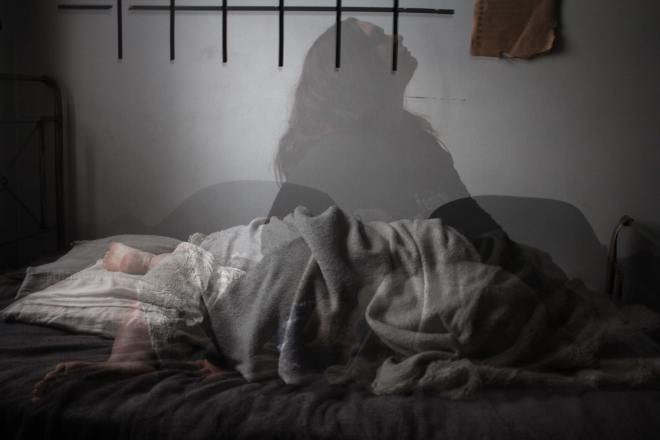
Insomnia is gonna kill me (Photo by Megan te Boekhorst on Unsplash)

The New York Times absolutely hit the nail on the head with a Nov. 6th article titled Canada Hasn’t Slept Well Since the U.S. Election (archived version). Catherine Porter wrote:

It was Robin Williams, of all people, who coined the phrase that I’ve heard repeatedly in Toronto over the past few weeks [about Canada’s relationship with the United States].

“You are like a really nice apartment over a meth lab,” he said during an “Ask Me Anything” session on Reddit in 2013.

I’ve read it on Twitter. I’ve heard it while standing in a socially distanced line on the street. And most recently, it kicked off the main editorial in one of Canada’s national newspapers, The Globe and Mail.

It’s been hard to concentrate up here, with all the noise on the other side of the border. First, the coronavirus got way out of control down there. Then there were the Black Lives Matter protests and the counter-protests. Now, do I have to say it?

Tuesday’s election has caused people around the world to fidget.

Canadians have been ripping their cuticles off.

I’ll admit it; when I first heard the news that the news networks had called the U.S. federal election for Biden/Harris (when the state of Georgia first tipped over from red to blue), I felt as if a great weight was being lifted off my shoulders. I actually sang and danced in my apartment. It was the happiest I’d felt in months.

Photo by Evan Vucci, Associated Press (source)

U.S. politics aside, things have pretty much gone from bad to worse here with respect to the coronavirus pandemic here in Manitoba. The city of Winnipeg went into emergency, code-red lockdown this past Monday, a move strongly urged by Winnipeg doctors. The lockdown was extended to the large area of southern Manitoba between Winnipeg and the American border yesterday.

And Manitobans are not very happy with their premier (the Canadian version of a state governor), Conservative party leader Brian Pallister, for his mishandling of the coronavirus crisis here. He has been plummeting in recent opinion polls for his misplaced priorities (such as pouring money into a “Manitoba is reopening” advertising campaign instead of expanding COVID-19 testing centres and providing N95 masks and other PPE for front-line healthcare workers). He recently asked Manitobans to cut down their personal contacts by 75% this month, a request to which I snarkily tweeted in response:

Premier Pallister wants us to associate with 75% fewer people during the pandemic. I’m quite willing to associate with fewer Pallisters, to do my part. MANITOBA IS A CLUSTERFUCK. DO YOUR JOB, MAN.

The most heartbreaking thing about this pandemic is the toll it is taking on seniors personal care homes and hospitals here in Winnipeg, where there have been serious outbreaks and numerous deaths. CTV News reported:

Dr. Brent Roussin, the chief provincial public health officer, said outbreaks have been declared at The Pas Homeless Shelter-Oscar’s Place, Maplewood Manor in Steinbach and at the St. Norbert personal care home in Winnipeg.

Each site has been moved to red or critical on the province’s pandemic response system.

Roussin also provided an update on some of the hardest-hit facilities throughout Manitoba.

Parkview Place has a total of 147 cases, 36 which are staff and 111 residents. There have also been 23 deaths at the care home.

Maples Personal Care Home continues to struggle with cases, with 176 in total being reported. The cases include 55 staff, 121 residents, and nine deaths.

Victoria General Hospital has 67 cases, which is broken down into 34 staff, 33 residents, and five deaths.

There are 141 cases at the Headingley Correctional Centre; 29 are staff and 112 are inmates.

And I have been holed up in my apartment, working away on various projects. Thank God this week and next week are vacation; I’m exhausted and I desperately need to recharge my batteries. I’ve essentially been working nonstop (days, evenings, and weekends) all of September and October at my full-time paying job as an academic librarian at the University of Manitoba. But the worst is over now.


Between the coronavirus pandemic and the U.S. election, this has been a rollercoaster week. I have been sleeping very poorly as a result. I went to bed at midnight last night, slept fitfully for only a couple of hours, and got out of bed again at 2:00 a.m., to do what I do lately when I can’t sleep: clean through my main Second Life avatar’s inventory (I am now down to just over 234,000 items). I’ll go back to bed when I feel tired, and try once again to get some sleep. Insomnia is gonna kill me.

God, what a week. I may yet decide to pull out my Trump Baby avatar for a final “victory” lap of Second Life on January 20th, when Donald Trump officially gets booted out of office, whether he likes it or not (here’s a handy, live countdown clock to that blessed event).

Believe me, I am feasting on the schadenfreude!

Bye, Felicia!
This cartoon by Canadian political cartoonist Michael de Adder pretty much says it all…I still vividly remember Trump having peaceful protesters tear-gassed just so he could strike this photo-op pose with a Bible in front of a church near the White House (blogpost).

Stay sane and stay healthy!

Editorial: Are Social VR Platforms Dependent Upon High-End PCVR Doomed?

Today’s Melatopia Festival in Sansar: Less than 45 Avatars Total?

This afternoon, I paid a visit to Sansar to attend the virtual version of the Melatopia South Asian festival. I had a chance to catch up with some old friends and listen to some great music. Sansar is still (to my mind) the most beautiful virtual world, with a vibrant marketplace (44,582 items and counting) providing endless avatar customization options (there was even a mini velociraptor avatar running around amidst the crowd at the concert stage!).

But all the while, I had this nagging little voice in the back of my head, asking: Where is everybody?

To the best of my knowledge (and Wookey may correct me if I am mistaken), the Melatopia event never went above a single instance, and there were never more than 45 avatars total present at the festival (and most of the time that I was there, the figure from the Codex was in the low-to-middle thirties). (UPDATE: There was briefly one time in the afternoon where the festival hit a high if 51 avatars, spawning a second instance.)

Even granted that most people would be watching the show via Twitch, Facebook, Instagram, or YouTube, I find that to be a shockingly, abysmally low attendance figure, especially compared to the multitudes that would have attended the real-life version of this festival, were it not for the coronavirus pandemic.

Frankly, this blogger has long ago given up trying to chastise Wookey for their puzzling lack of promotion of events on the Sansar platform. There’s only so many times I can write the same editorial: YOU NEED TO PAY FOR PROMOTION. YOU CANNOT EXPECT PEOPLE TO COME TO SANSAR IF YOU DO NOT PROMOTE THE PLATFORM. But my pleas (and those of many other observers) seem to have fallen on deaf ears. Whatever Wookey is doing to promote Sansar, it’s clearly not enough.

But it does raise a bigger question that I have only addressed in passing in earlier editorials discussing and dissecting the demise of the old High Fidelity and the near-death experience and resurrection of Sansar. And that question is: was it a mistake to build social VR platforms that would only run on tethered, high-end virtual reality headsets like the Oculus Rift, the HTC Vive, and the Valve Index? The collective term I and many other people use when talking about these VR headsets, all of which require a high-end Windows gaming computer with a powerful graphics card to run, is PCVR.

Let’s face facts: both now and for the foreseeable future, the clear VR headset of choice by consumers will be the wireless, standalone Oculus Quest, especially now that Facebook has released the newer, cheaper Oculus Quest 2. And Facebook will stop selling its Oculus Rift S tethered, PCVR headset (the successor to the original Oculus Rift) this coming spring. Business Insider reported:

“We’re going to focus on standalone VR headsets moving forward,” the company said in a blog post on Wednesday. “We’ll no longer pursue PC-only hardware, with sales of Rift S ending in 2021.”

The Rift line of headsets required a powerful gaming PC to power virtual reality experiences. The headset connected to the PC with a set of wires, but the latest Oculus Quest headsets are able to replicate this experience with a single detachable USB cable in addition to operating without a dedicated PC.

As such, Facebook isn’t outright killing its PC-driven virtual reality efforts. It will continue supporting higher-end, PC-powered virtual reality on the Quest line of headsets. 

“We’ve seen significant growth in PC VR via Oculus Link,” the blog post said, “and the Rift Platform will continue to grow while offering high-end PC VR experiences like ‘Lone Echo II’ and ‘Medal of Honor: Above and Beyond’ well into the future.”

Two years ago, TechCrunch reported on the disagreements within Facebook over the company’s decision to focus on standalone as opposed to high-end, tethered headsets, saying that Brendan Iribe, the co-founder and former CEO of Oculus, was “leaving Facebook  following some internal shake-ups in the company’s virtual reality arm last week that saw the cancellation of the company’s next generation ‘Rift 2’ PC-powered virtual reality headset, which he had been leading development of”.

If Facebook is leaving the high-end PCVR market, what does that mean for the future of social VR platforms which either do not run on the Quest, like Sansar, or do not run at their full technical capacity, like VRChat? (I wrote about my earlier experiences running VRChat on my Oculus Quest here. Although I’m sure the situation has improved somewhat since then, the fact remains that you still need PCVR to really experience everything that VRChat has to offer.) Are those platforms that run best (or only) on PCVR doomed?

No. So relax. (Yeah, all right, I admit that was a click-bait blogpost title. Sue me.)

While the market for high-end PCVR might mature more slowly than that of wireless VR headsets (and definitely more slowly than most overconfident observers had originally predicted), eventually it will come. Devices may come and go in popularity, but the overall trend is clear: ever more data being pushed to your headset, creating ever more detailed environments. Eventually, that screen door effect that can sometimes make it difficult to read text in a VR headset will vanish. Visual fidelity will only improve from here on in. Consumers and businesses will demand it, and they will buy it. It’s inevitable.

While we do not yet know what future headsets various tech companies have on their drawing boards, we can be assured that other companies will definitely step into the PCVR market while Facebook is stepping out, and up the VR/AR/XR game (many eyes are watching to see what Apple will do, for example). As I like to say, a rising tide lifts all boats. I believe that many people who get their first taste of VR from an Oculus Quest will no doubt graduate to more powerful, tethered devices. (Even Facebook may decide to change their minds at some point in the future, particularly if they should see any potential competitors do well.)

I myself have already placed my order for a Valve Index kit to replace my trusty, four-year-old Oculus Rift, as part of my personal boycott of Facebook/Oculus products and services (more info here). I have heard through the grapevine that they are selling well since Facebook’s decision to force Oculus device users to get Facebook accounts, which is not sitting well with many early VR adopters at all.

And I very much look forward to visiting future virtual festivals in Sansar in my shiny new Valve Index!

Melatopia: the U.K.’s Biggest South Asian Festival Comes to Sansar on November 7th and 8th, 2020

The lineup of performers at Melatopia in Sansar

The 18th edition of London Mela, the U.K. festival of South Asian culture, will be held in a virtual-reality venue created by the same team that brought you the successful Lost Horizon Festival this past July.

As with Lost Horizon, which was seen by four million people in 100 countries, Melatopia viewers will be able to experience live artists, DJs and dance performances in a virtual world created especially for the event, and on a range of platforms, including mobile devices, desktop computers and VR headsets.

There are three main ways to take part in the Melatopia experience:

​1. Sign up for a Twitch TV account and get ready to experience all the incredible Melatopia festival performers. Here’s the channel.

​2. Follow the Melatopia festival on FacebookInstagram or YouTube and stream the whole event there! You could even start a watch party!

​3. If you own a Windows PC, you can download the Sansar client software and experience our virtual reality Mela. Create an avatar and join in the festivities! You can experience Sansar on your computer desktop or in your virtual reality headset (Oculus Rift, HTC Vive, or Valve Index). You can download Sansar from their website, or from Steam. Here’s a somewhat outdated but still useful step-by-step guide for getting started in Sansar for newbies.

Click here to get your free tickets to the event, and check the official Melatopia website for concert details, performer lineups, and news. (Please note all times on the website are given in London, Greenwich Mean Time/GMT, so be sure to convert to your local time zone!)

The official press release follows. See you there!


Event:
Melatopia

Dates: Saturday 07 & Sunday 08 November 2020

Times: 15:00 – 03:00 (3PM to 3AM) GMT

Venue: www.londonmela.org the gateway to MELATOPIA within Sansar the global VR leader in live events

Melatopia streams live on Twitch, Facebook, and YouTube

The 18th edition of South Asian culture-fest, London Mela will be held online and virtually for the first time ever on 7-8 November 2020. Founders Ajay Chhabra and Julian Rudd reinvent the much-loved festival as a digital and virtual reality event; Melatopia, featuring South Asian music, dance, food, and culture for a one-of-a-kind festival experience within an immersive VR experience in Sansar.

Usually performed at the festival’s home in Southall Park, London Mela organisers have embraced the digital realm with the first Virtual Reality Mela ever staged, to keep everyone safe during COVID 19.

The award-winning event’s partners Nutkhut, Mela Partnership and Remarkable Productions join forces with Shangri-La’s Lost Horizon Festival to create a new online virtual reality venue, MELATOPIA, which is built using Sansar, Wookey Technologies’cutting-edge, photorealistic platform for virtual live events and can be experienced on PC, VR or mobile (iOS), plus will be streamed live on Twitch and across social media.

Audiences will be able to experience live artists, dance performances and DJs in an extraordinary VR online space specially created for the Mela. Whether viewed on a smartphone, tablet, laptop or wearing VR glasses, audiences will be able to engage with the performances and each other in new and innovative ways. Viewers are encouraged to book 7/8 November out in their diaries and invite friends and family to an online watch party. COVID 19 has stopped audiences visiting the Mela in London, so the London Mela will come to them wherever they are in our great city and wherever they are in the world.

The London Mela is best known for its adventurous programming and genre-crossing collaborations from an incredible mix of household names and contemporary artists. This year will be no different with US/Indian rapper The Raja Kumari headlining the show. In support we have an incredible collaboration between Juggy D and Pandit Ram Sahai Sangeet Vidhyalaya (PRSSV), 5 Tabla players from Singh Sabha Southall Education Centre in Southall.

Pop sensation and BBC Future Music Artist Celina Sharma features as well as Roma Sagar and Rio Jai. Panjabi Hit Squad promise to get the audience jumping around their front rooms with a barnstorming set. No Mela is complete without qawwali and the Mela is proud to present Chand Ali Khan, one of the UK’s most exciting qawwali talents, complete with 7-piece live band. Rounding of this first announcement, London Mela presents the legendary Panjabi MC, producer of the seminal Mundian To Bach Ke, possibly the greatest crossover dance tune from the South Asian diaspora.

All artists featured in Melatopia will be recorded exclusively for the event.

London Mela (source)

Editorial: Second Life Founder and High Fidelity CEO Philip Rosedale Comments on the Facebookening of Oculus

Have you joined the RyanSchultz.com Discord yet? You’re invited to be a part of the first ever cross-worlds discussion group, with over 460 people participating from every single social VR platform and virtual world! More details here


Erica joy Baker, Director of Engineering at GitHub, recently tweeted her dismay at discovering that, upon deactivating her Facebook account, her Oculus Quest became unusable:

I deactivated my Facebook, as I often do. It made my Oculus Quest 100% unusable. Not “hard to use” or “unpleasant to use.” Unusable.

She added:

My Oculus Quest didn’t degrade gracefully after I deactivated my Facebook account. Instead, the home app went into an ANR loop. When the Quest came back up after I hard rebooted it, the home app loaded, but blocked me using anything until it could connect to my Facebook account again.

Second Life founder and High Fidelity CEO Philip Rosedale commented on her tweet:

So true and so sad. I can’t believe VR tech (which is getting better) is dominated by one company whose track record clearly suggests they will cause harm to those who would use these devices. What a bad situation.

And I replied:

This is why we need to promote and support open source social VR solutions such as Tivoli Cloud VR and Vircadia (based on your HiFi code). Thank you for your part in building that universe of possibility, Philip.

And it’s true; Philip Rosedale’s decision to make the original High Fidelity social VR platform software code available for other developers to build upon has already led to two separate, distributed open-source successors to HiFi, both of which I have written about before on this blog: Tivoli Cloud VR and Vircadia (which I would strongly encourage you to check out, if you haven’t already done so). I have recently had a guided tour of both platforms, and both look very promising!

And, of course, there are numerous examples of other, non-Facebook social VR platforms which people should explore (NeosVR, Sansar, and Sinespace* are three I highly recommend you try).

Facebook already has too much power and control over the current and future development of social virtual reality, unnecessarily forcing users of its Oculus VR devices to create accounts on its Facebook social network (so that their personal data can be further strip-mined and sold to corporations and campaigns for profit).

We need to actively promote and support metaverse alternatives to the Facebook ecosystem, which do NOT track our every click, like, relationship, glance, and gesture.

*Full disclosure: I am an embedded reporter for Sinespace, writing sponsored blogposts about the people, news and events on that virtual world/social VR platform.